The Chongyang Festival (重阳节 Zhongyang Jie; Cantonese: Chung Yeung Jit) remains a little known event and is hardly practised among the Chinese in Malaysia, although there are attempts to revive the festival in Penang. But it retains deep cultural values concerning respect, family and the appreciation of nature, making it an important day in the Chinese calendar.
In China, Taiwan and Hong Kong, the festival is actively celebrated to honour the elderly and to promote health and well-being and the enjoyment of the beauty of autumn.
It is celebrated on the ninth day of the ninth lunar month, giving rise to its alternate name Double Ninth Festival. It also happens to coincide with the last day of the Nine Emperor Gods Festival.
Traditional practices to mark Chongyang:
- Climbing mountains to enjoy the seasonal clear skies, fresh air and the stunning autumn scenery.
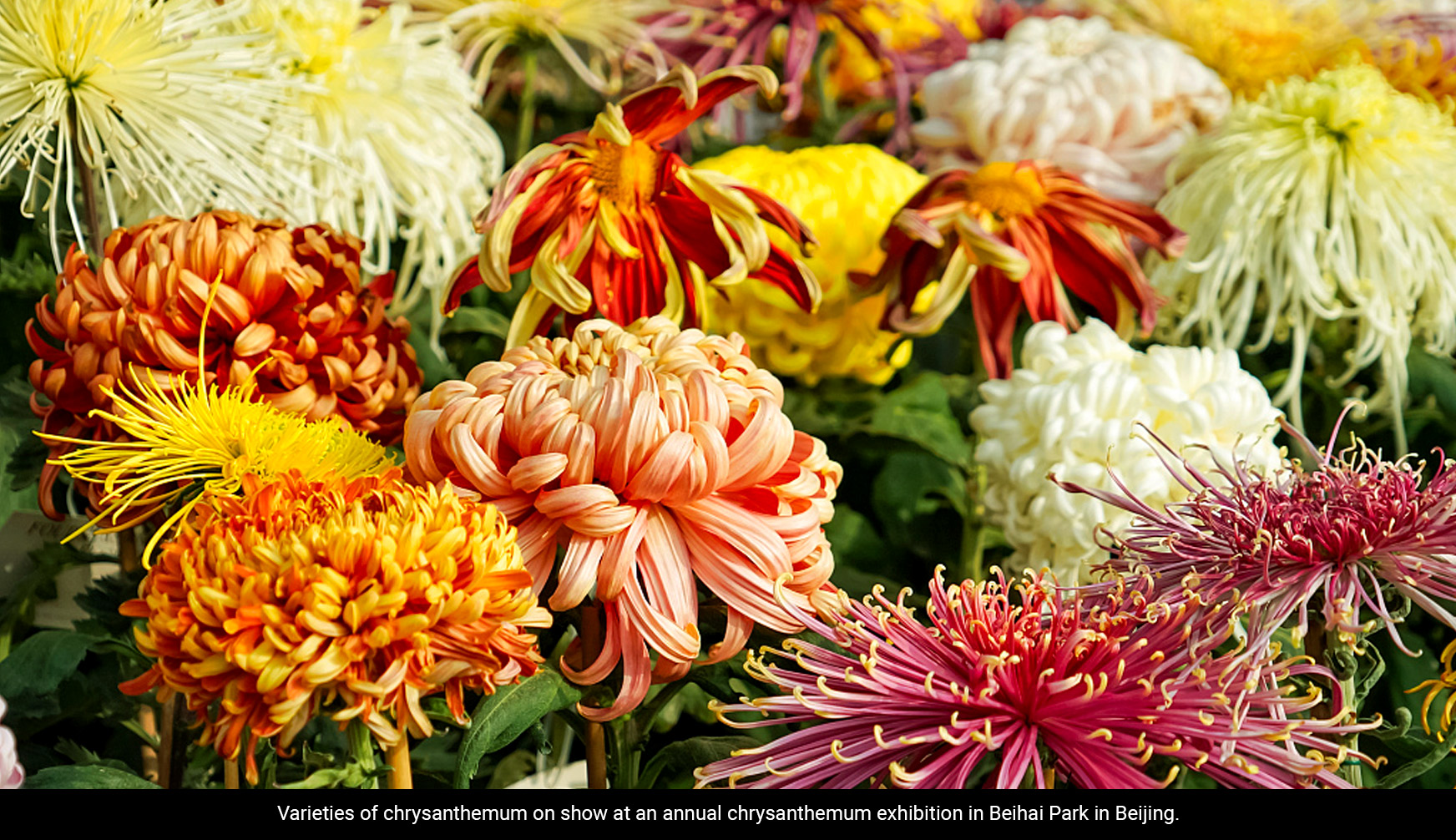
- Chrysanthemum (juhua菊花) is the focus of attention: believed by many as a symbol of longevity, the flower is in full bloom then; chrysanthemum tea and wine are consumed; writers compose elegant poems about it and many localities host chrysanthemum exhibits.
- Eating Chongyang cakes (重阳糕, Zhongyang gao), which is made of chrysanthemum, jujubes, pecans and seasonal fruit.
- Family Gatherings: It’s a time for family reunions, especially to honor and spend time with elderly members. In 2013, the Chinese government designated it Senior’s Day and parties are widely held and trips organised for senior citizens. The festival is also called Chongyang Respect for the Elderly Festival重阳敬老节 (Zhongyang Jinglao Jie).
- Visiting and cleaning up graveyards, worshipping ancestors and praying for blessings – similar practices as for Qingming.
The festival had its origins in the Warring States period, but the traditions of mountain hiking and drinking chrysanthemum wine date from the Han dynasty.
Significance of the Chrysanthemum
The chrysanthemum is a unique symbol in Chinese culture. Chrysanthemum, the plum blossom, orchid and bamboo have all been regarded as the four symbols of noble character since ancient times. It blooms in bright colors in the chill of autumn, at a time when most flowers wither. It is a symbol of strong vitality and tenacity in the eyes of scholars, and it has inspired poets to wax lyrical on it beauty.
Chongyang is also observed in Korea, where it is known as Jungyangjeol and in Japan, where
it is known as Chōyō and the Chrysanthemum Festival (but celebrated on 9th September in the western calendar, not on the ninth day of the ninth lunar month).